One Reason Meltdowns Seem to Come Out of Nowhere
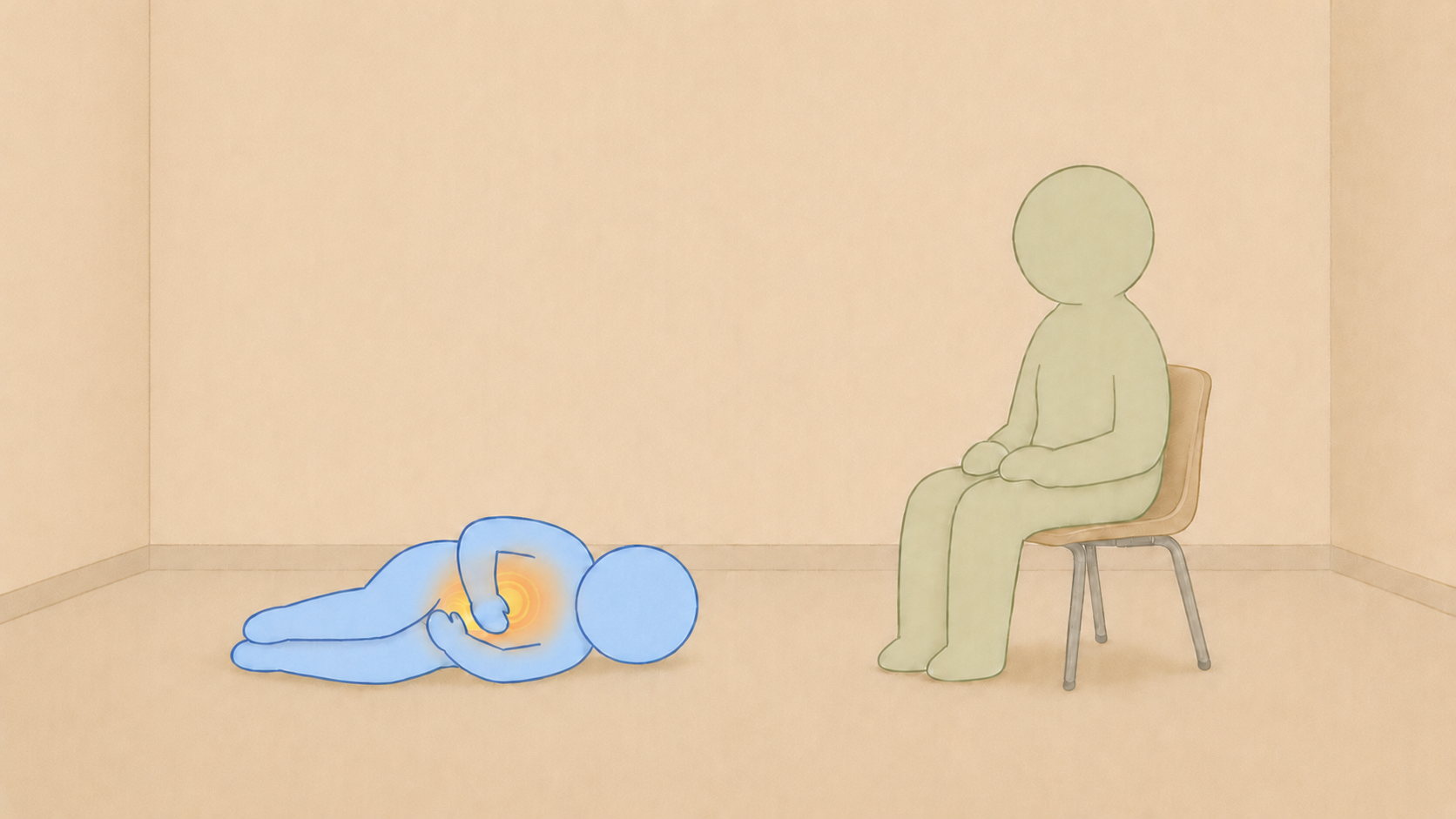
A blue faceless figure lies curled on the floor, holding its abdomen as overlapping orange body signals glow inside. A green figure sits nearby on a classroom chair in a small, windowless room, with a second empty chair in the corner.

About twenty years ago, I worked as an autism consultant in a large school district. This was during the era of time-out rooms, before schools widely discussed the harms of isolation and well before sensory rooms became common. A special education teacher brought a seven-year-old boy to the time-out room, and I met them there. … Read more
Catching Change: Why We Notice and Mark Change

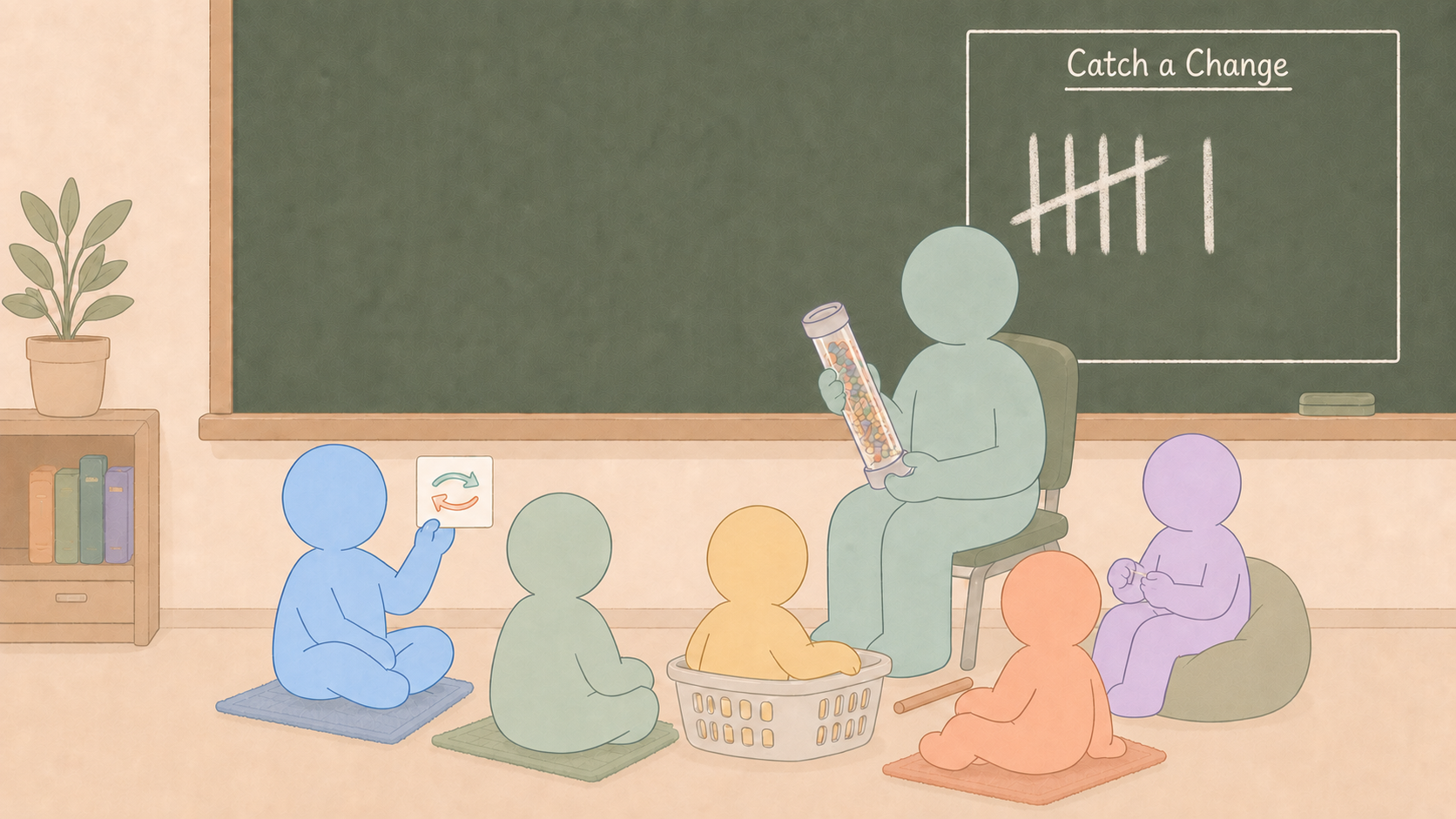
Illustrated classroom scene with children seated on carpet squares, a beanbag, and a laundry basket while an adult holds a rain stick beside a “Catch a Change” tally board. One child is holding a card with a change icon on it and another is signing change

When we talk about supporting autistic learners with change, we often focus on preparing them for what will happen next. Catching change starts somewhere slightly different. Years ago, I developed and ran a summer day camp for autistic campers, along with their siblings and friends. At the time, I did not have a word for … Read more

Why Practical Neuro-Affirming Resources Are Still So Hard to Find

Person working on a laptop at home with worksheets scattered around

A teacher sits down on Sunday night to plan for an autistic student who has been struggling. She already understands that behavior is communication. She knows regulation comes before reasoning. She has moved away from reward charts and consequences and is trying to build support around safety, relationship, and autonomy. Then she opens her laptop … Read more

Intense Enthusiasms: What Happens When We Stop Trying to Shrink Them

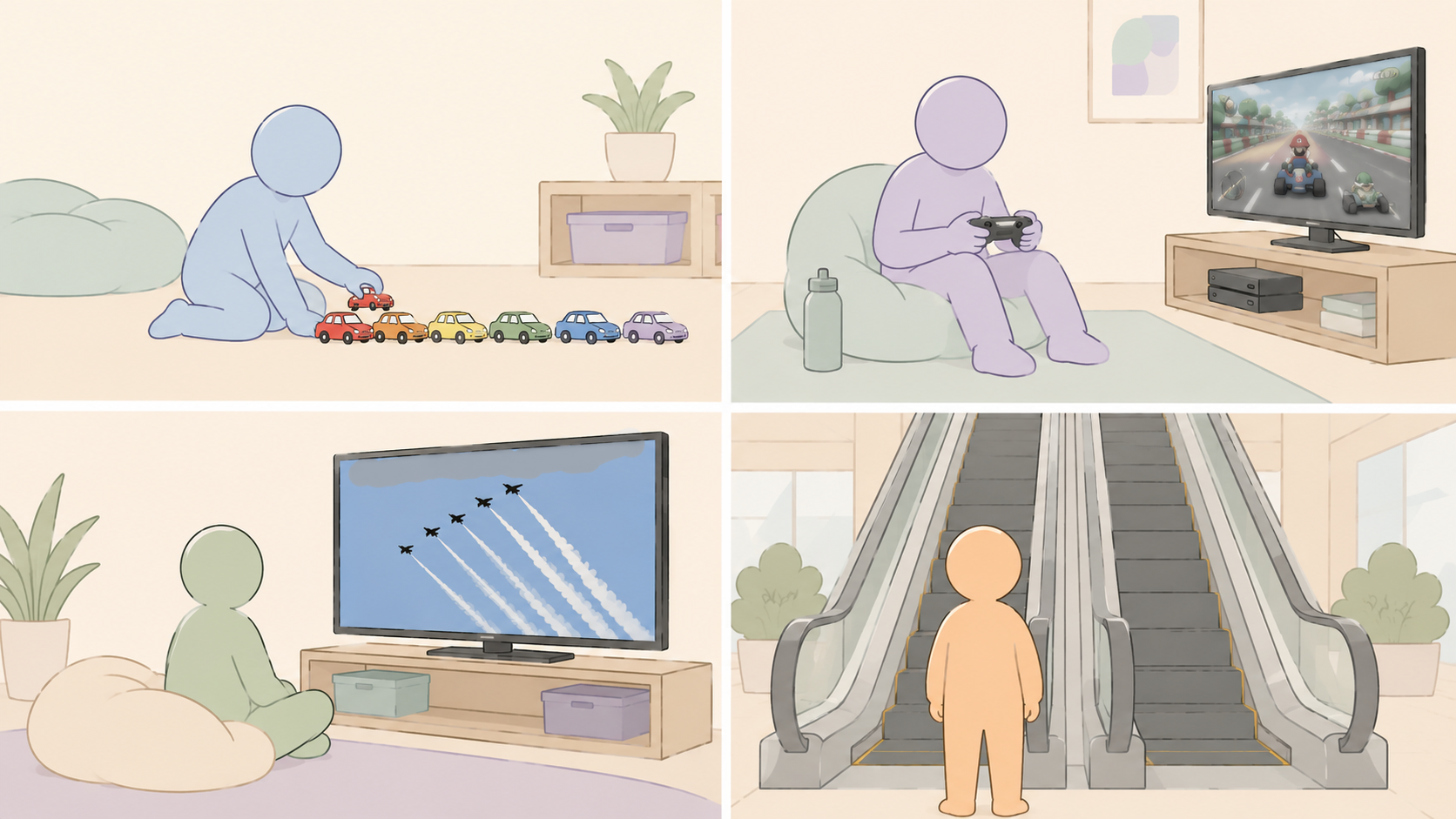
Four-panel illustration of figures absorbed in an intense enthusiasm: a blue figure lining up toy cars by color, a purple figure playing a kart-racing video game, a green figure watching jets in formation on TV, and an orange figure standing before an escalator.

A child returns to the same three songs. Talks about trains through every conversation. Memorizes television episodes, studies maps, focuses on video games, sorts figures, or watches the same short video again and again. Adults often notice the repetition first. We may worry that the interest is taking up too much space. We may try … Read more

The Other Nervous System in the Room

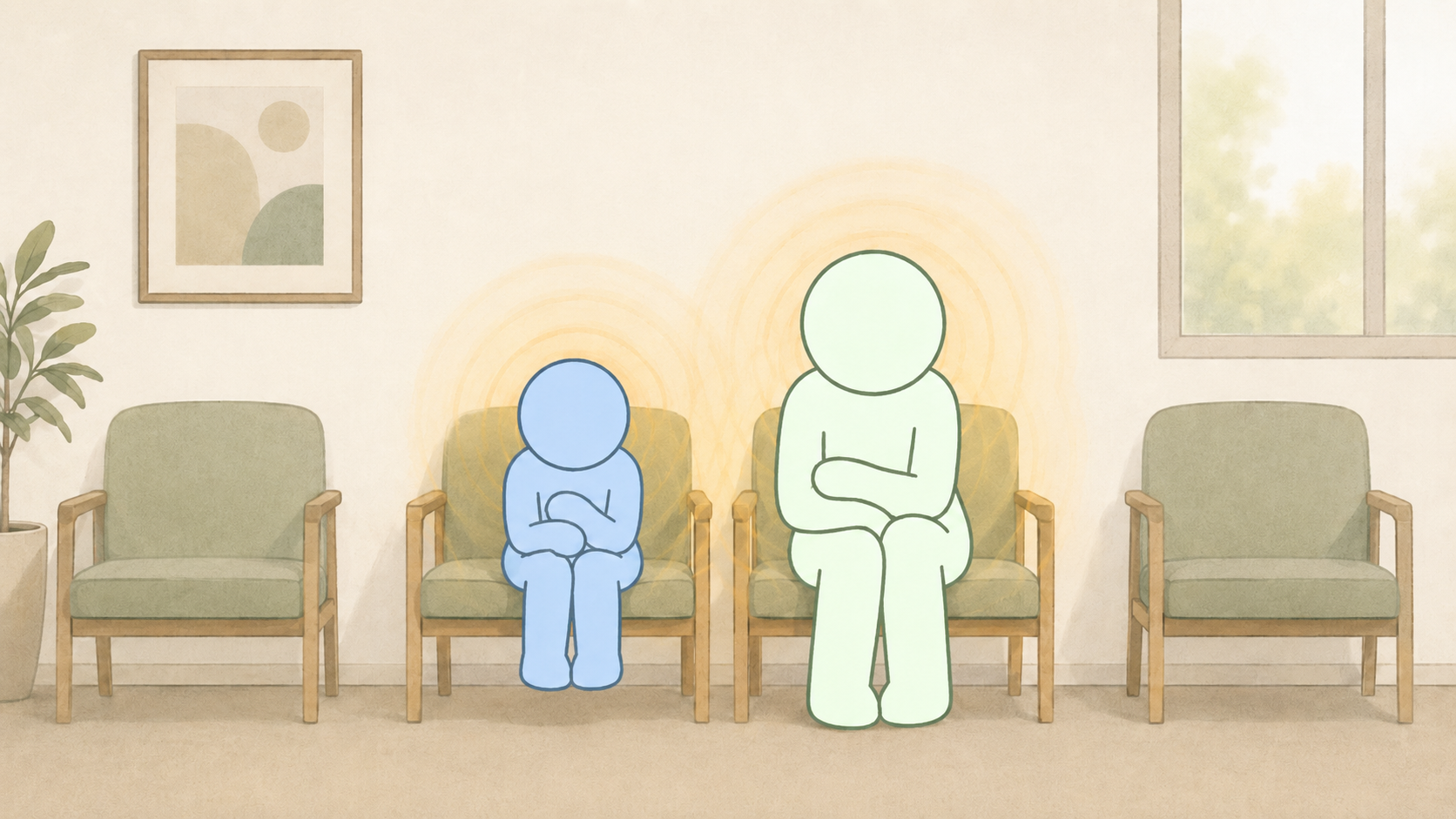
Two figures sitting in a waiting room - a child and an adult - both have tension radiating from their bodies in waves

Appointment Support for Autistic Learners Begins with the Adults, Too You know the feeling. The appointment is days away, and something in you is already bracing. You run through the variables: how the waiting room might smell, whether the provider will be running late, what you will do if the learner you are accompanying cannot … Read more

When the World Feels Different: Supporting Autistic Learners in New Environments

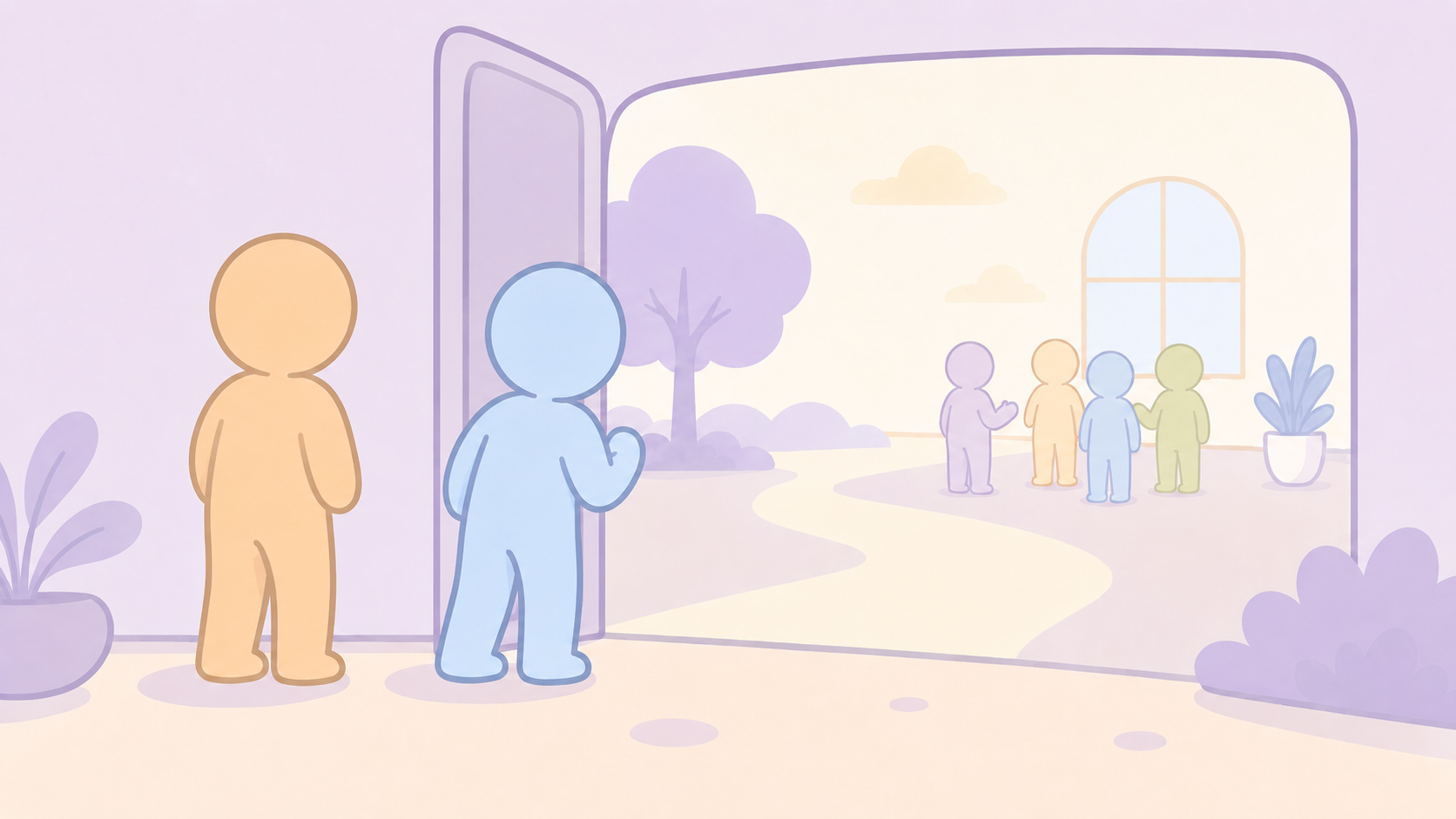
Two figures looking out an open door with a group of people talking on the other side in an outdoor setting

New environments are part of everyday life. A visit to a relative’s house. A community event. A new playground. A family trip. A different store. Even a place we’ve never been before can bring new sights, sounds, smells, and routines. For many autistic learners, navigating a new environment is significantly more than a change of … Read more

Understanding Disappointment in Autistic Children

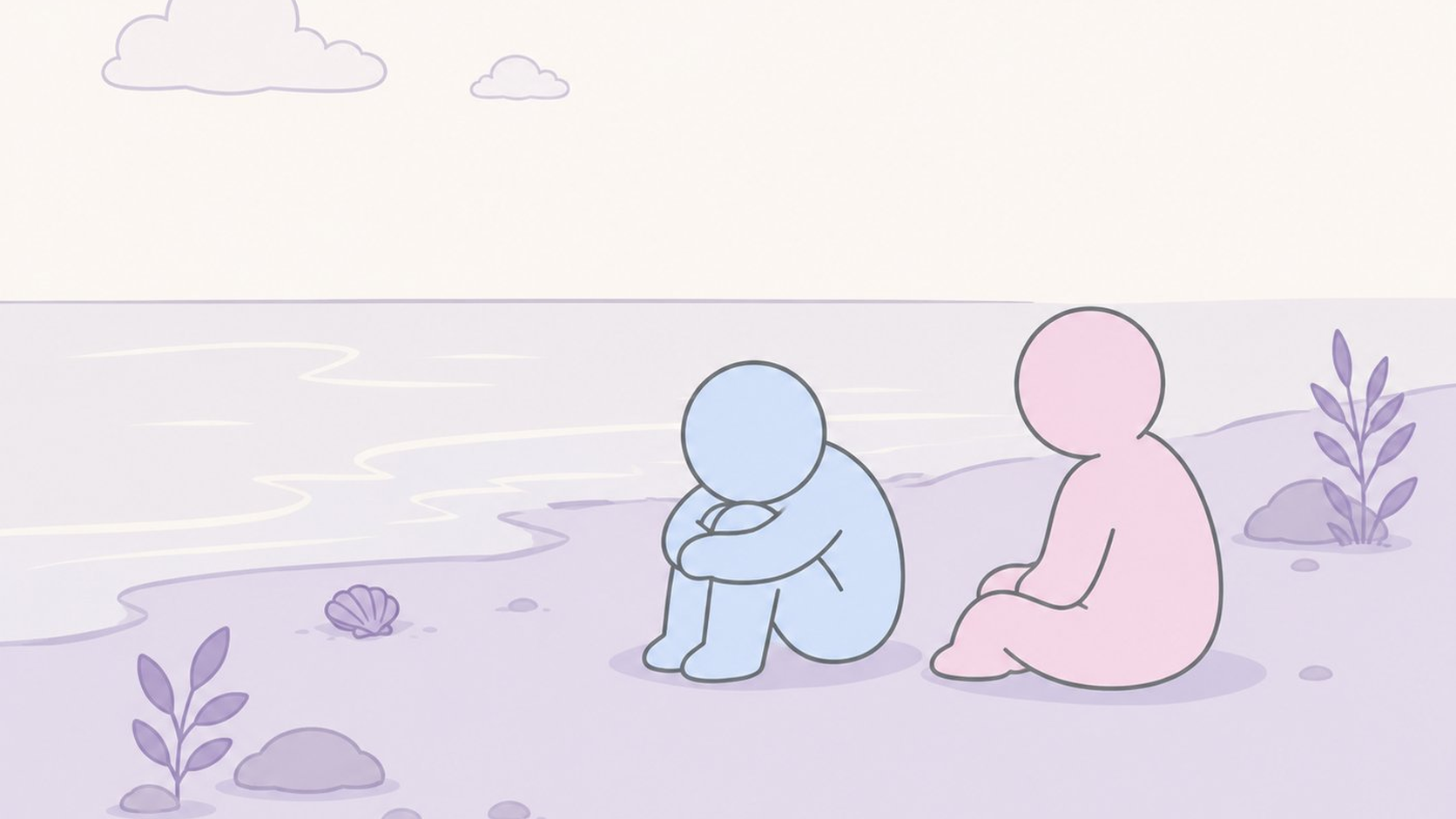
Two figures sitting on the beach. One is holding its knees and the other is quietly sitting beside

Sometimes disappointment doesn’t look sad. Sometimes it looks like: And sometimes the child looks just as surprised by the reaction as everyone else. The behavior is visible. What the body is carrying usually isn’t. Adults often see the outside of disappointment: the yelling, the refusal, the tears, the shutdown, the anger. But many neurodivergent children … Read more

What We Miss When Pooping Is Hard

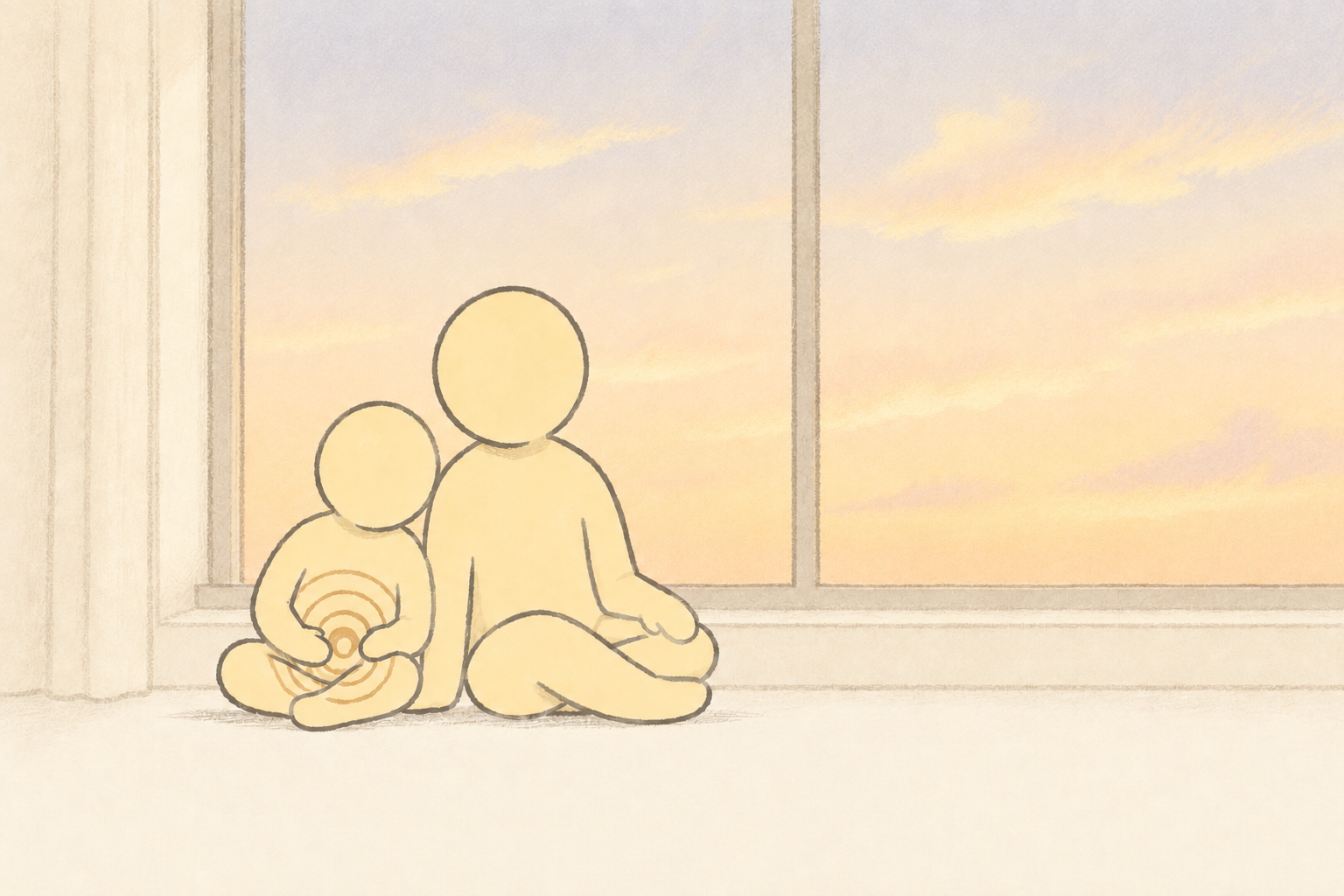
Hand-drawn illustration of an adult and child figure in pale yellow sitting side by side on the floor by a large sunlit window; soft concentric ripples emanate from the child's belly, suggesting body signals.

Why constipation in neurodivergent kids is so often misread — and what their bodies actually need Some of the most chronic, exhausting, quietly distressing experiences in a neurodivergent child’s life happen in the bathroom — or don’t happen there, and that’s the problem. Constipation, withholding, irregular patterns, sensory distress around toileting — these are everywhere … Read more

5 Ways to Support Body Awareness at Home

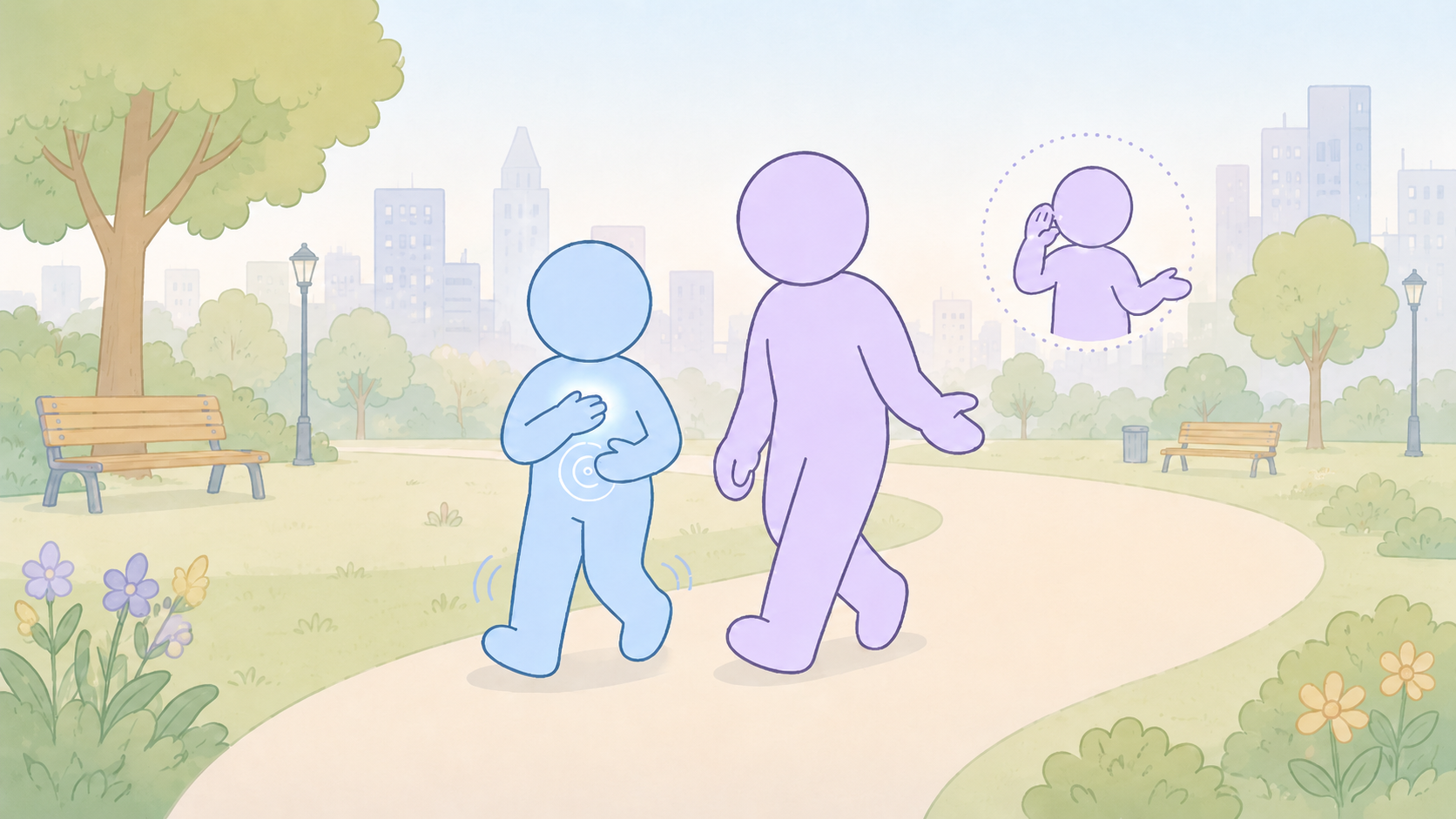
Two figures walking in the park - one with feelings signals and the other talking and listening

A Regulation-First Starter List for Families of Neurodivergent Kids When school ends, the structure that has been quietly holding a child’s day — the bell schedule, the predictable transitions, the sensory containers of the classroom — fades. For many autistic kids, that external scaffolding has been doing real work all year. It has been telling … Read more

What Looks Like Defiance Is Often a Nervous System That’s Run Out of Road

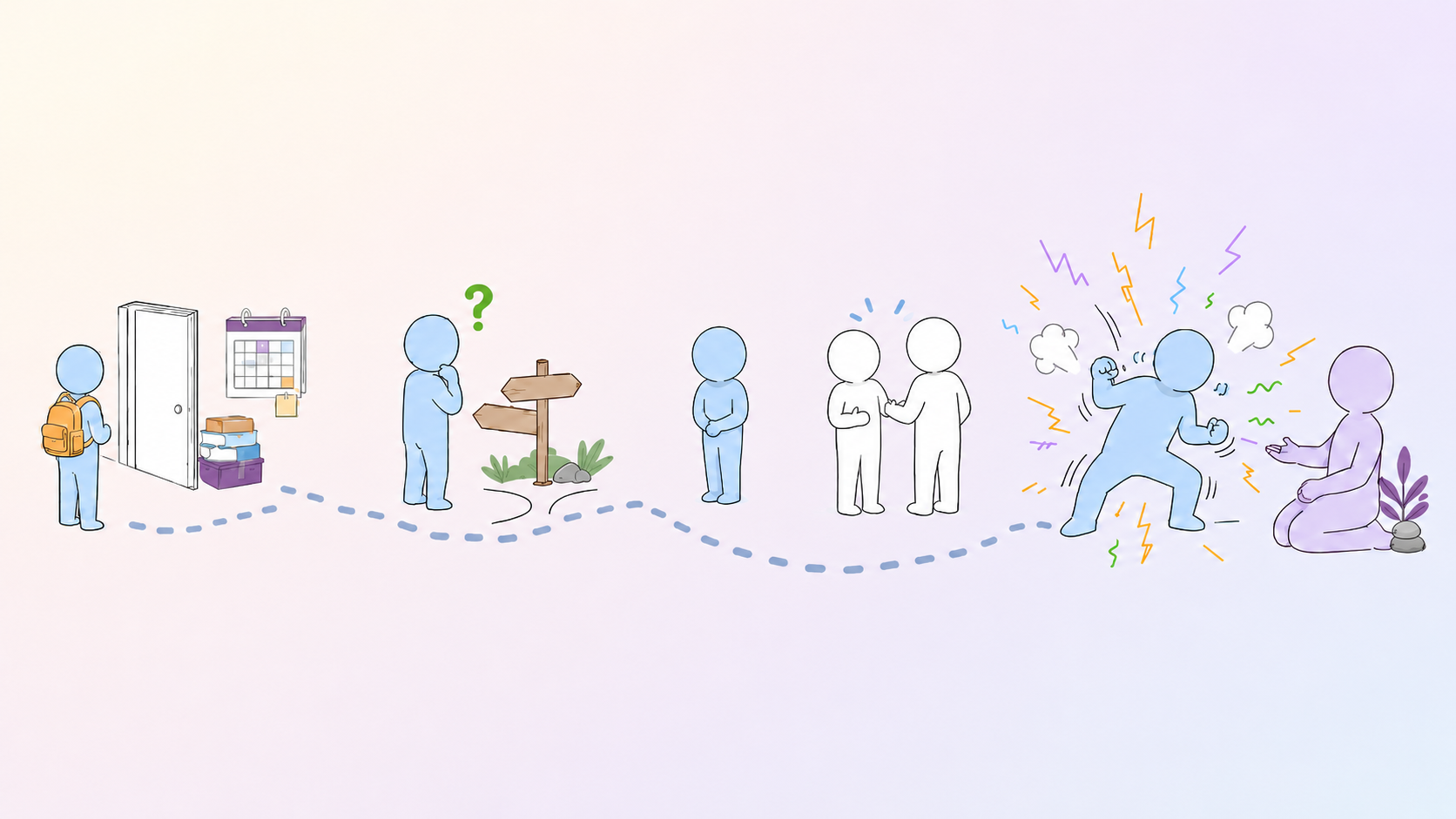
A person moving through demands, uncertainty and exclusion to then having a meltdown.

Strong energy states — the ones often labeled as outbursts, meltdowns, aggression, or “challenging behavior” — are rarely about the moment they happen in. They’re usually about everything that came before. For many neurodivergent learners, strong energy is the end of a long chain: By the time the strong energy appears on the outside, the … Read more