One Reason Meltdowns Seem to Come Out of Nowhere
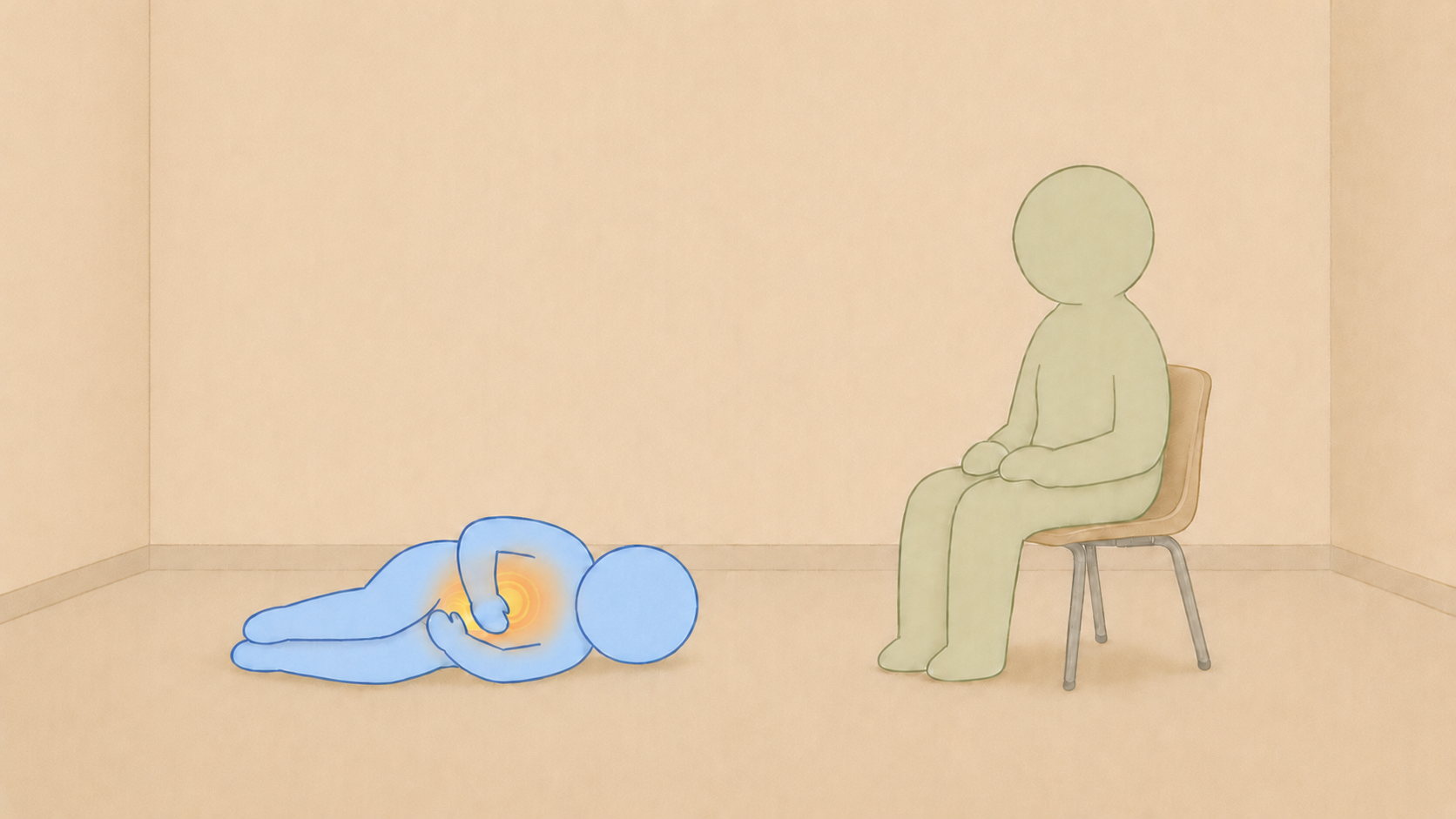
A blue faceless figure lies curled on the floor, holding its abdomen as overlapping orange body signals glow inside. A green figure sits nearby on a classroom chair in a small, windowless room, with a second empty chair in the corner.

About twenty years ago, I worked as an autism consultant in a large school district. This was during the era of time-out rooms, before schools widely discussed the harms of isolation and well before sensory rooms became common. A special education teacher brought a seven-year-old boy to the time-out room, and I met them there. … Read more
When the World Feels Different: Supporting Autistic Learners in New Environments

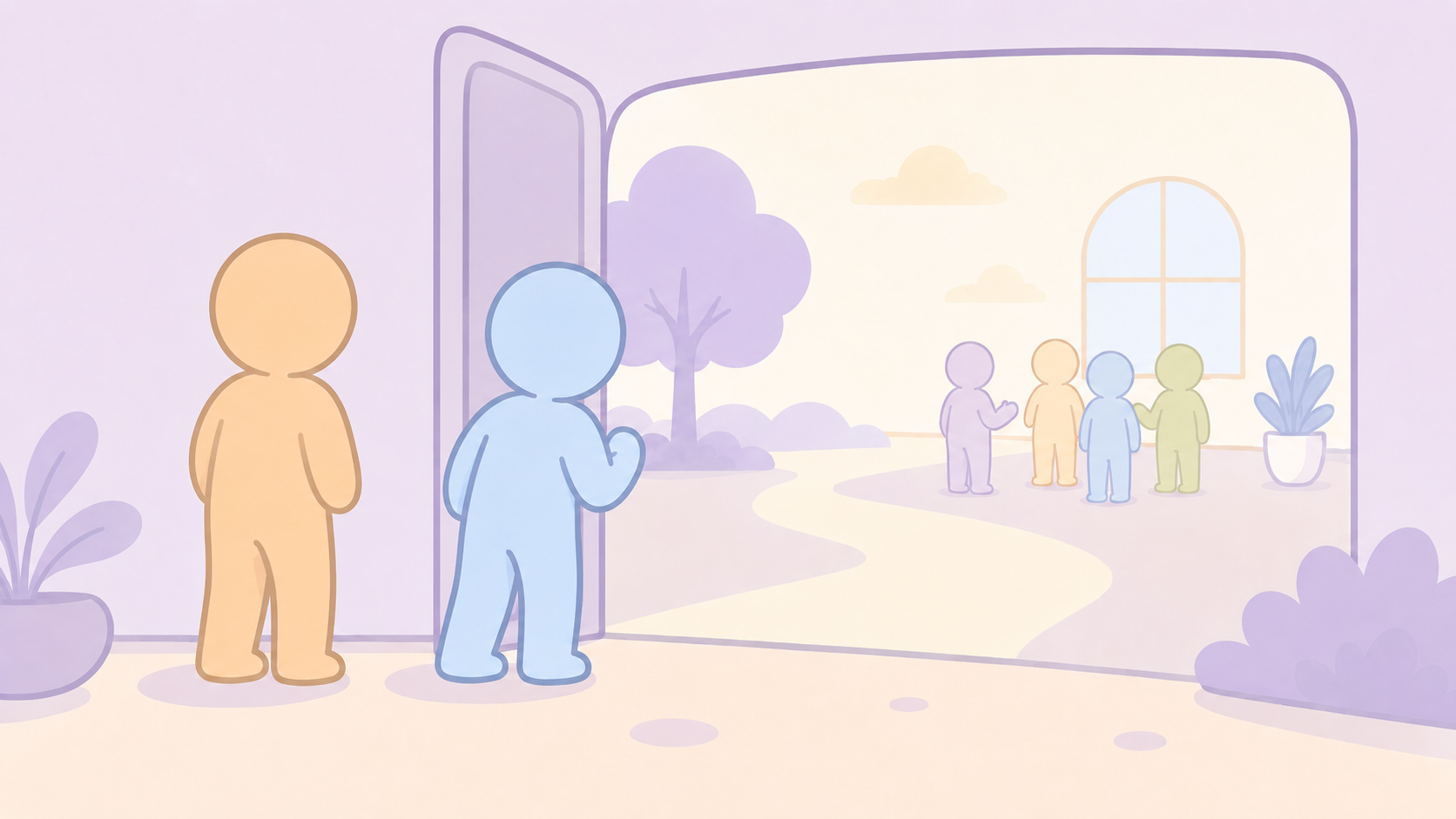
Two figures looking out an open door with a group of people talking on the other side in an outdoor setting

New environments are part of everyday life. A visit to a relative’s house. A community event. A new playground. A family trip. A different store. Even a place we’ve never been before can bring new sights, sounds, smells, and routines. For many autistic learners, navigating a new environment is significantly more than a change of … Read more

Understanding Disappointment in Autistic Children

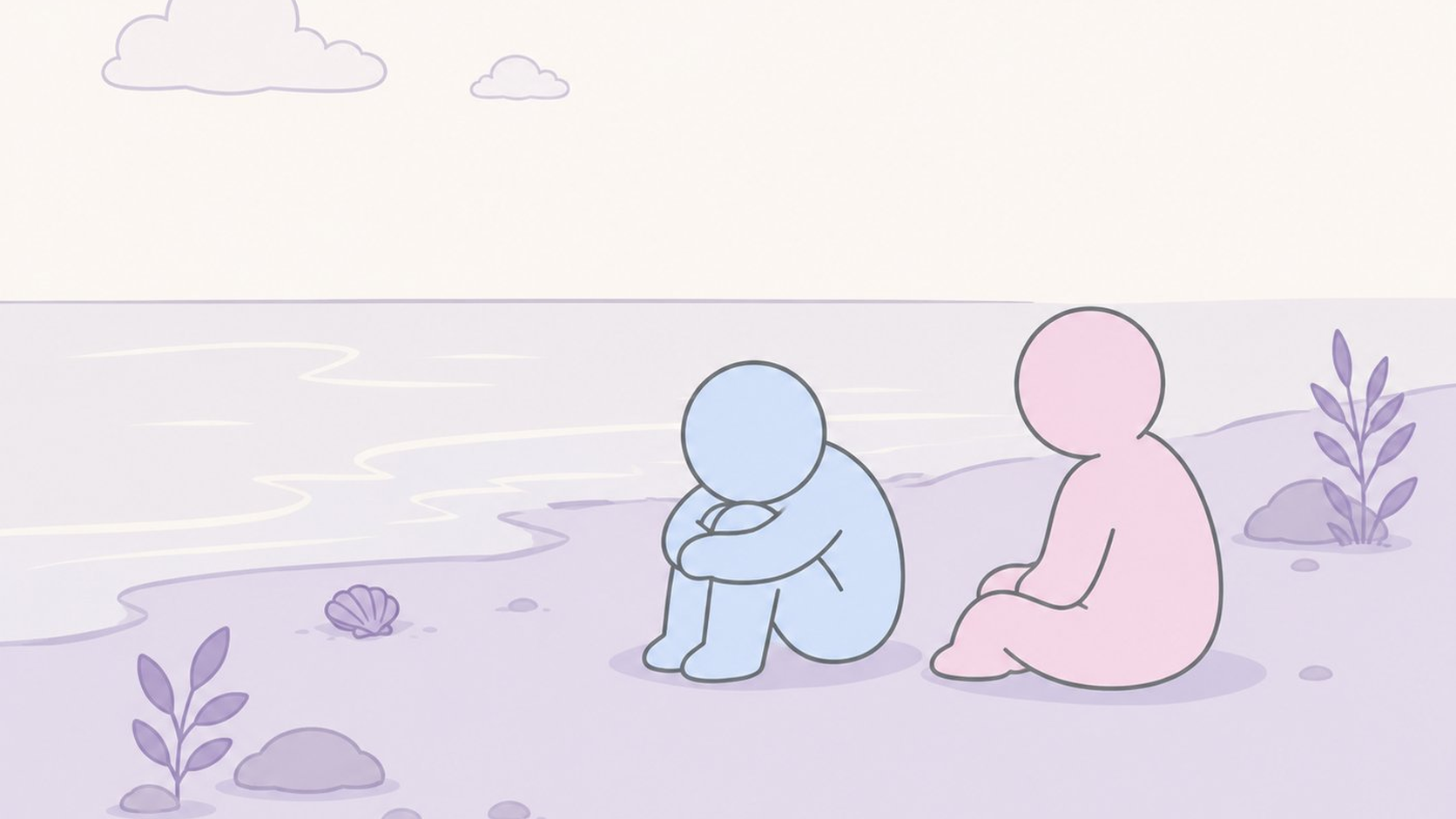
Two figures sitting on the beach. One is holding its knees and the other is quietly sitting beside

Sometimes disappointment doesn’t look sad. Sometimes it looks like: And sometimes the child looks just as surprised by the reaction as everyone else. The behavior is visible. What the body is carrying usually isn’t. Adults often see the outside of disappointment: the yelling, the refusal, the tears, the shutdown, the anger. But many neurodivergent children … Read more

What We Miss When Pooping Is Hard

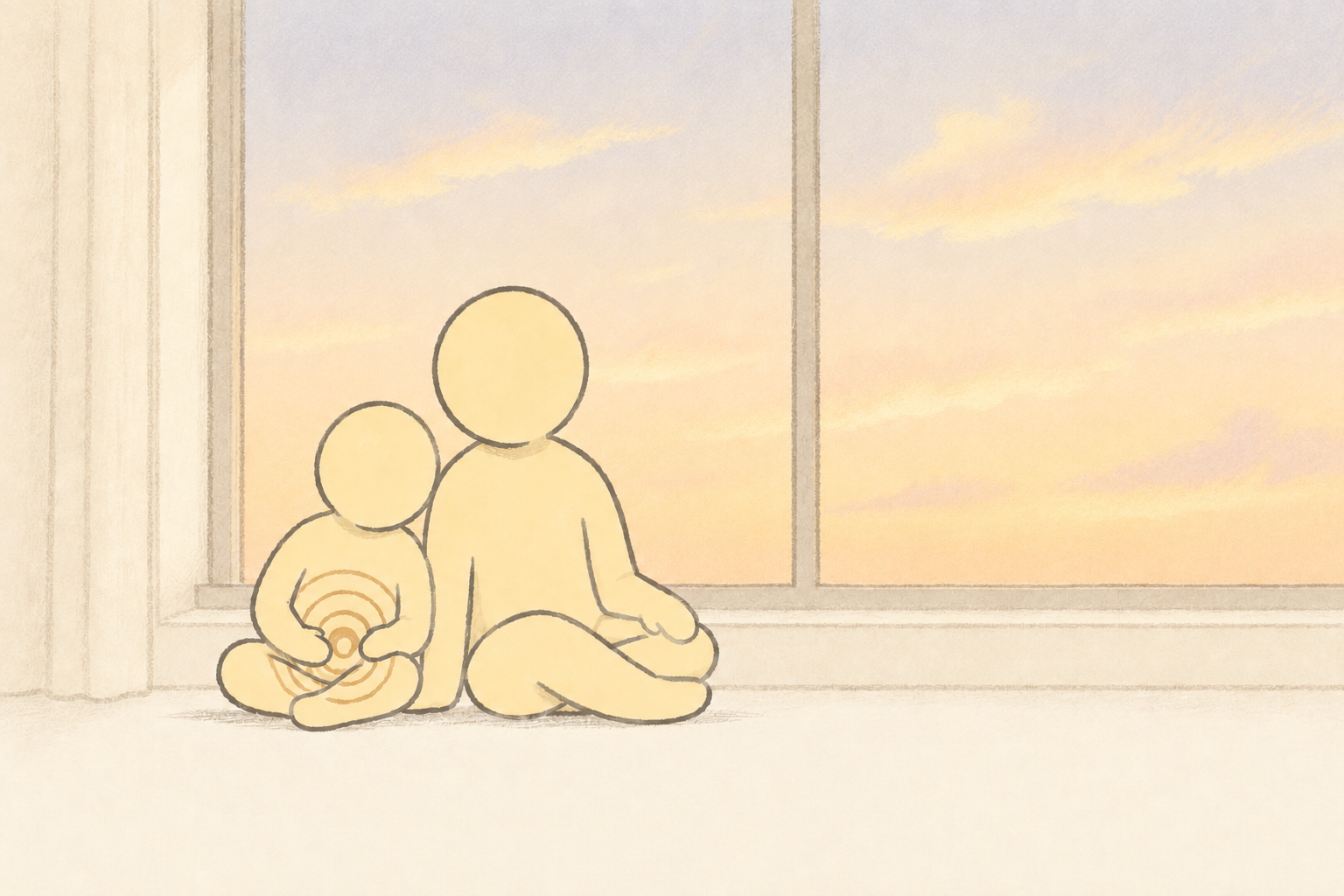
Hand-drawn illustration of an adult and child figure in pale yellow sitting side by side on the floor by a large sunlit window; soft concentric ripples emanate from the child's belly, suggesting body signals.

Why constipation in neurodivergent kids is so often misread — and what their bodies actually need Some of the most chronic, exhausting, quietly distressing experiences in a neurodivergent child’s life happen in the bathroom — or don’t happen there, and that’s the problem. Constipation, withholding, irregular patterns, sensory distress around toileting — these are everywhere … Read more

5 Ways to Support Body Awareness at Home

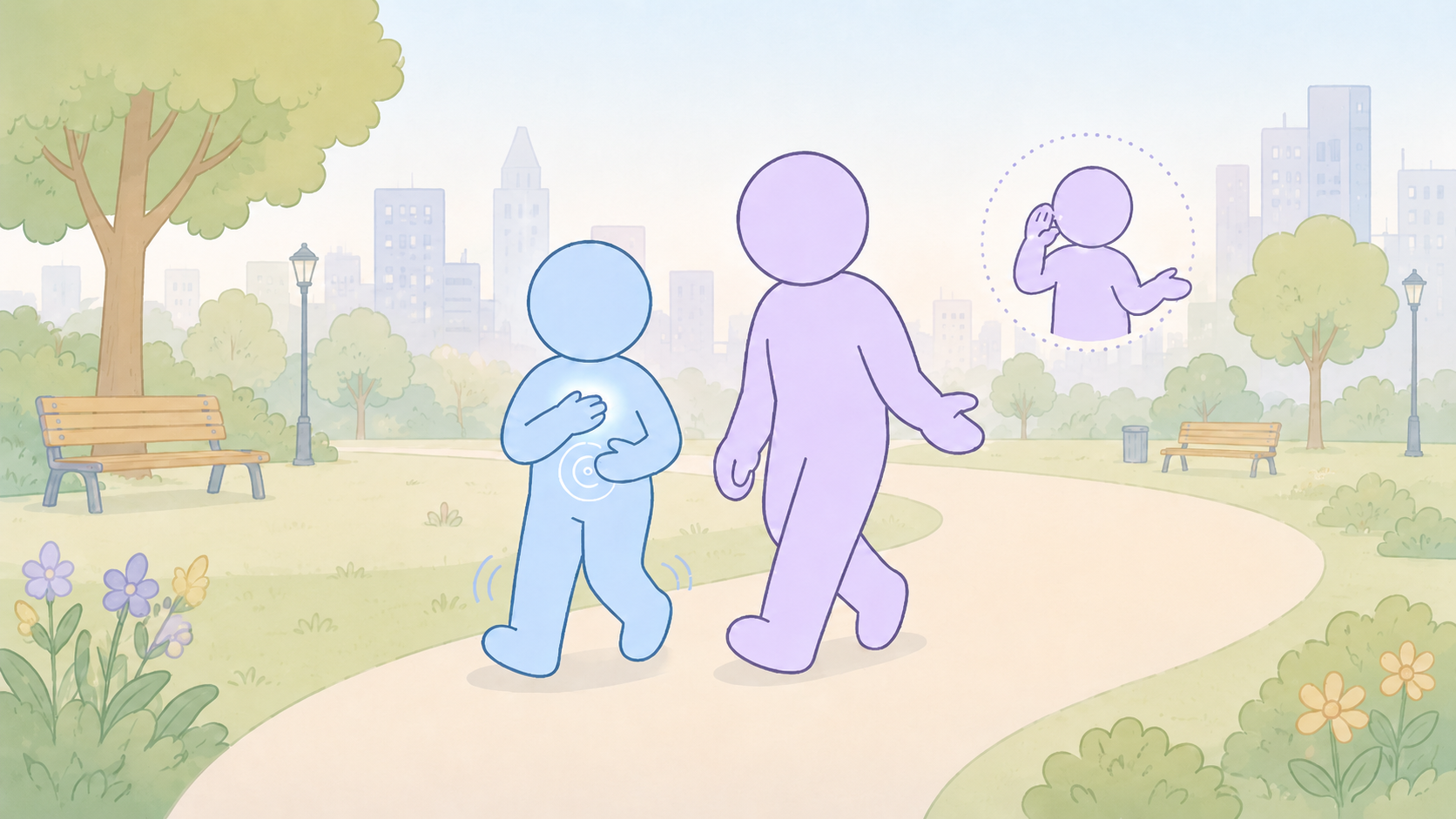
Two figures walking in the park - one with feelings signals and the other talking and listening

A Regulation-First Starter List for Families of Neurodivergent Kids When school ends, the structure that has been quietly holding a child’s day — the bell schedule, the predictable transitions, the sensory containers of the classroom — fades. For many autistic kids, that external scaffolding has been doing real work all year. It has been telling … Read more