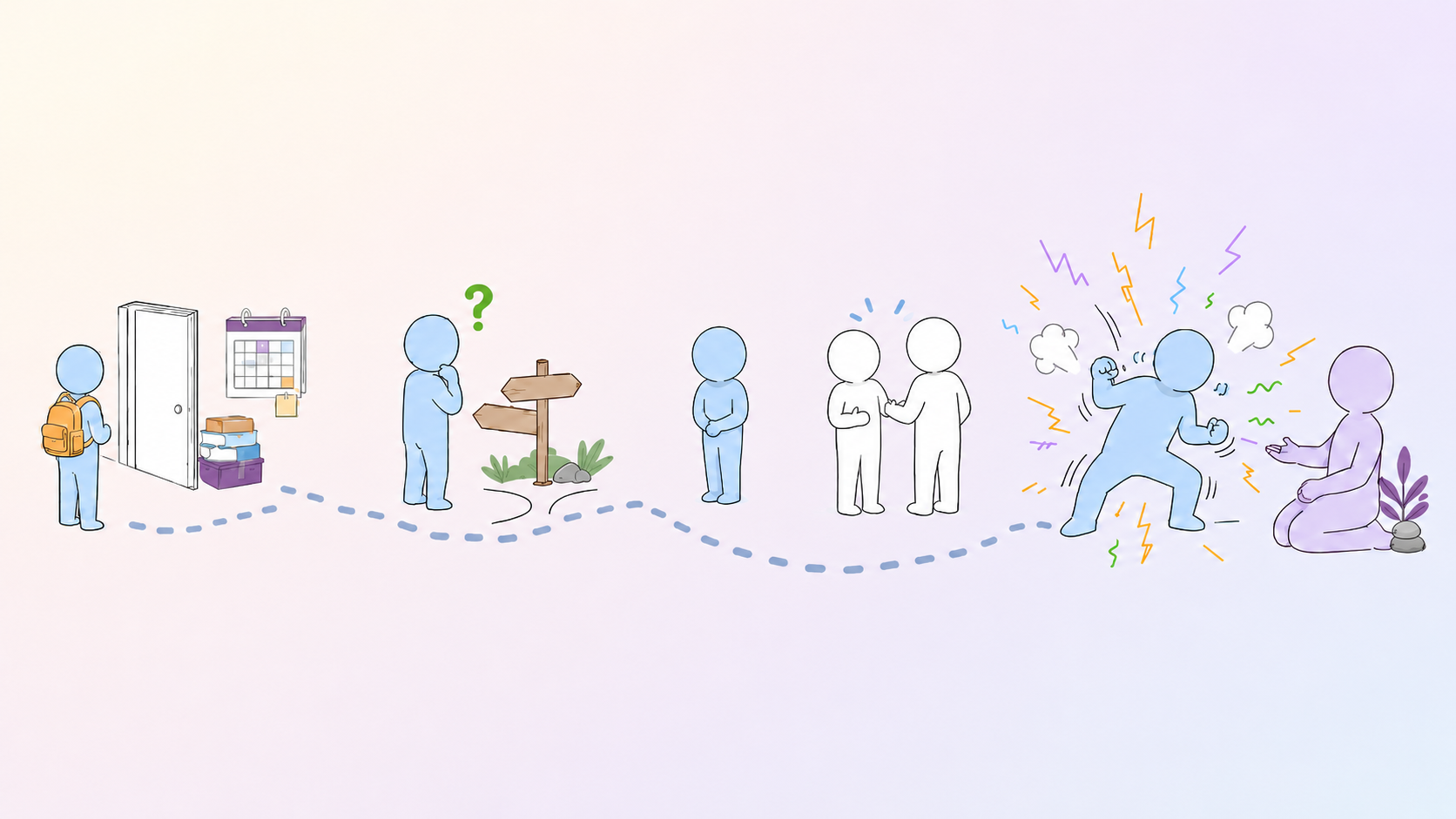
Catching Change: Why We Notice and Mark Change
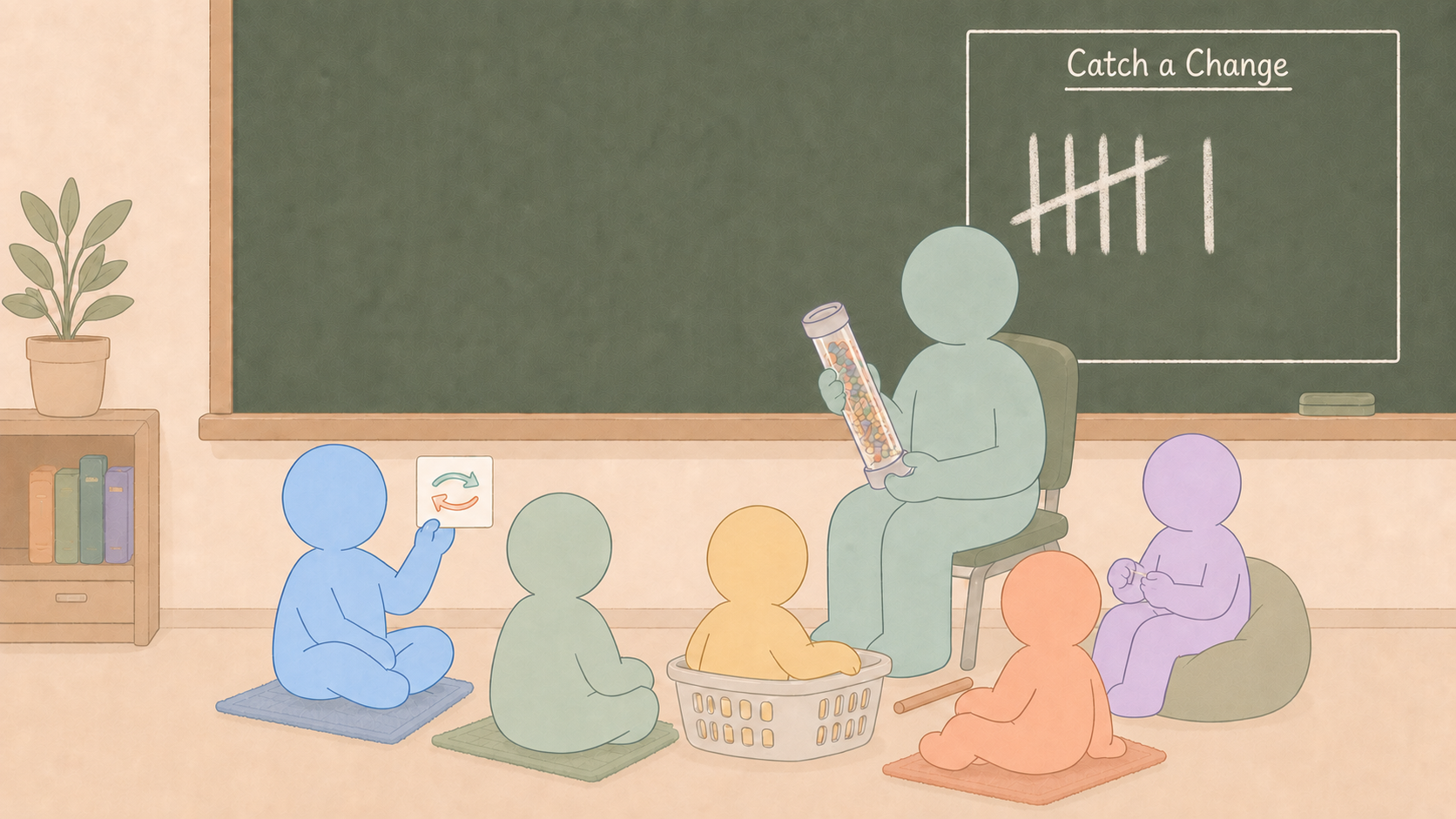
Illustrated classroom scene with children seated on carpet squares, a beanbag, and a laundry basket while an adult holds a rain stick beside a “Catch a Change” tally board. One child is holding a card with a change icon on it and another is signing change

When we talk about supporting autistic learners with change, we often focus on preparing them for what will happen next. Catching change starts somewhere slightly different. Years ago, I developed and ran a summer day camp for autistic campers, along with their siblings and friends. At the time, I did not have a word for … Read more
When the AAC Device Is Refused — and Ends Up in the Closet

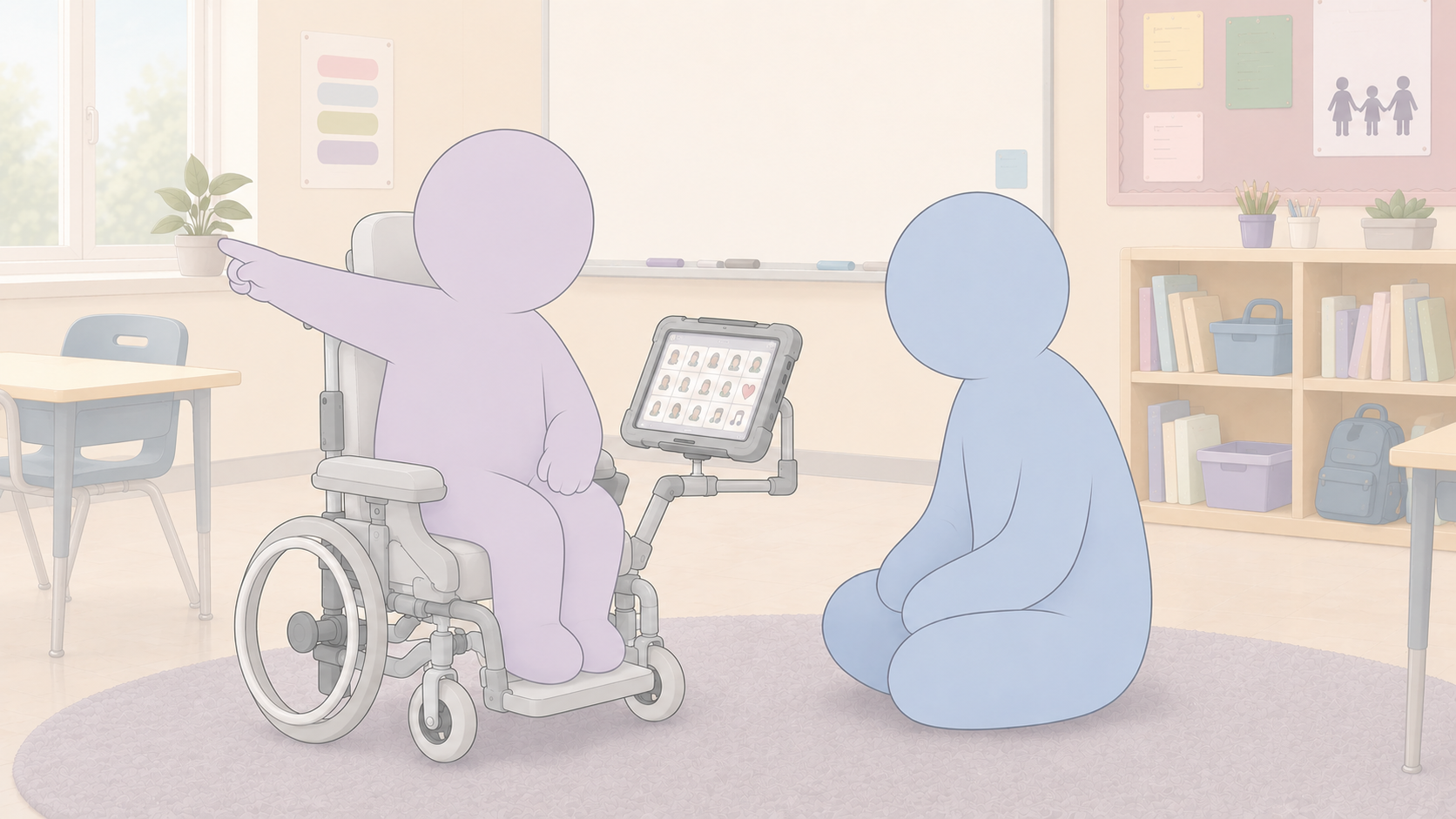
figure sitting in a wheelchair with an AAC device mounted but pointing away from the device. Another figure sitting nearby.

Over the years, I have heard parents, teachers, and therapists say: “We tried AAC, but she just threw it.”“I show him which picture to choose, but he pushes my hand away.”“He has the AAC device, but he says the same thing over and over and over.” These moments can be deeply discouraging. Families may have … Read more

Why Practical Neuro-Affirming Resources Are Still So Hard to Find

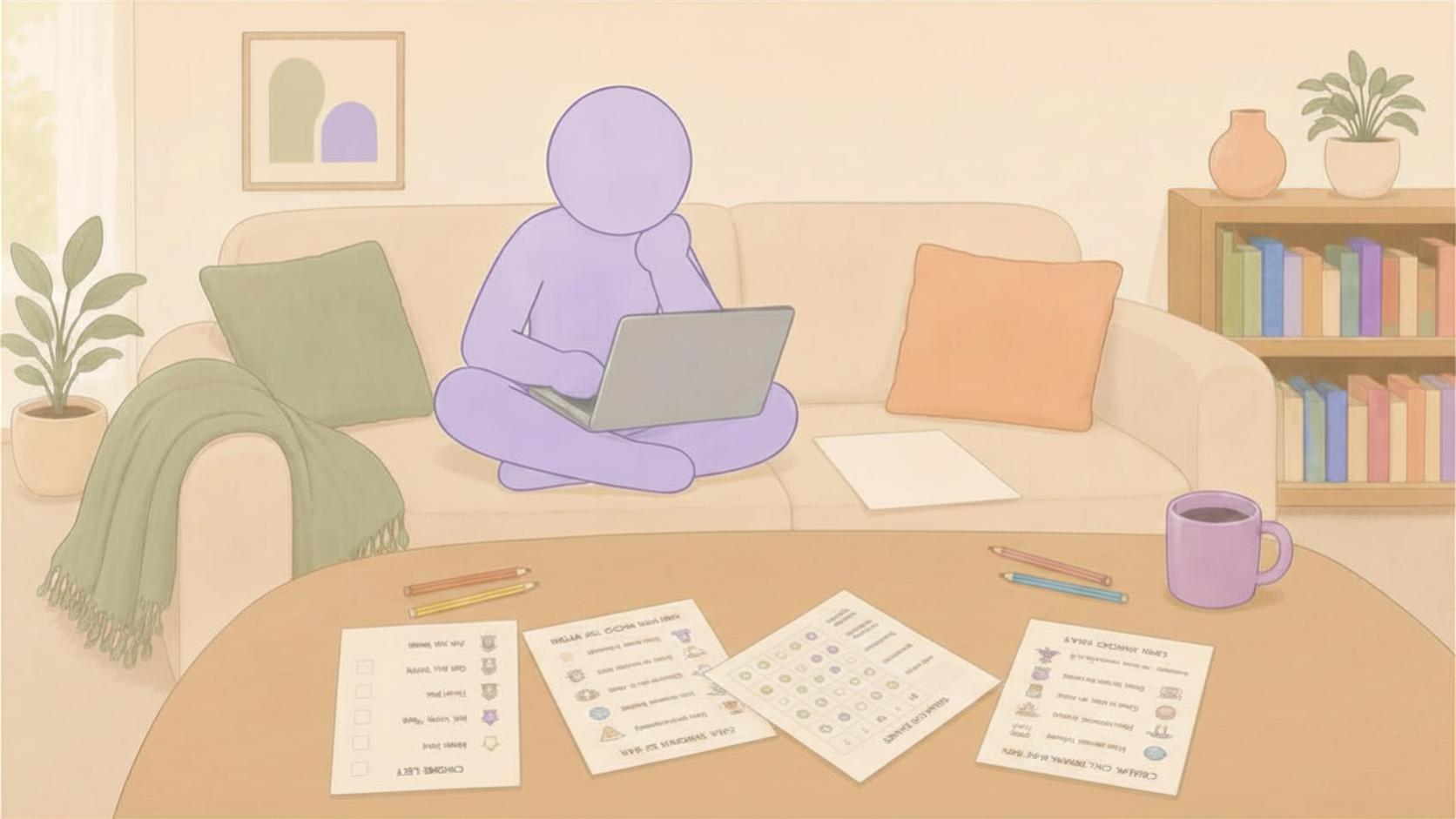
Person working on a laptop at home with worksheets scattered around

A teacher sits down on Sunday night to plan for an autistic student who has been struggling. She already understands that behavior is communication. She knows regulation comes before reasoning. She has moved away from reward charts and consequences and is trying to build support around safety, relationship, and autonomy. Then she opens her laptop … Read more

When the World Feels Different: Supporting Autistic Learners in New Environments

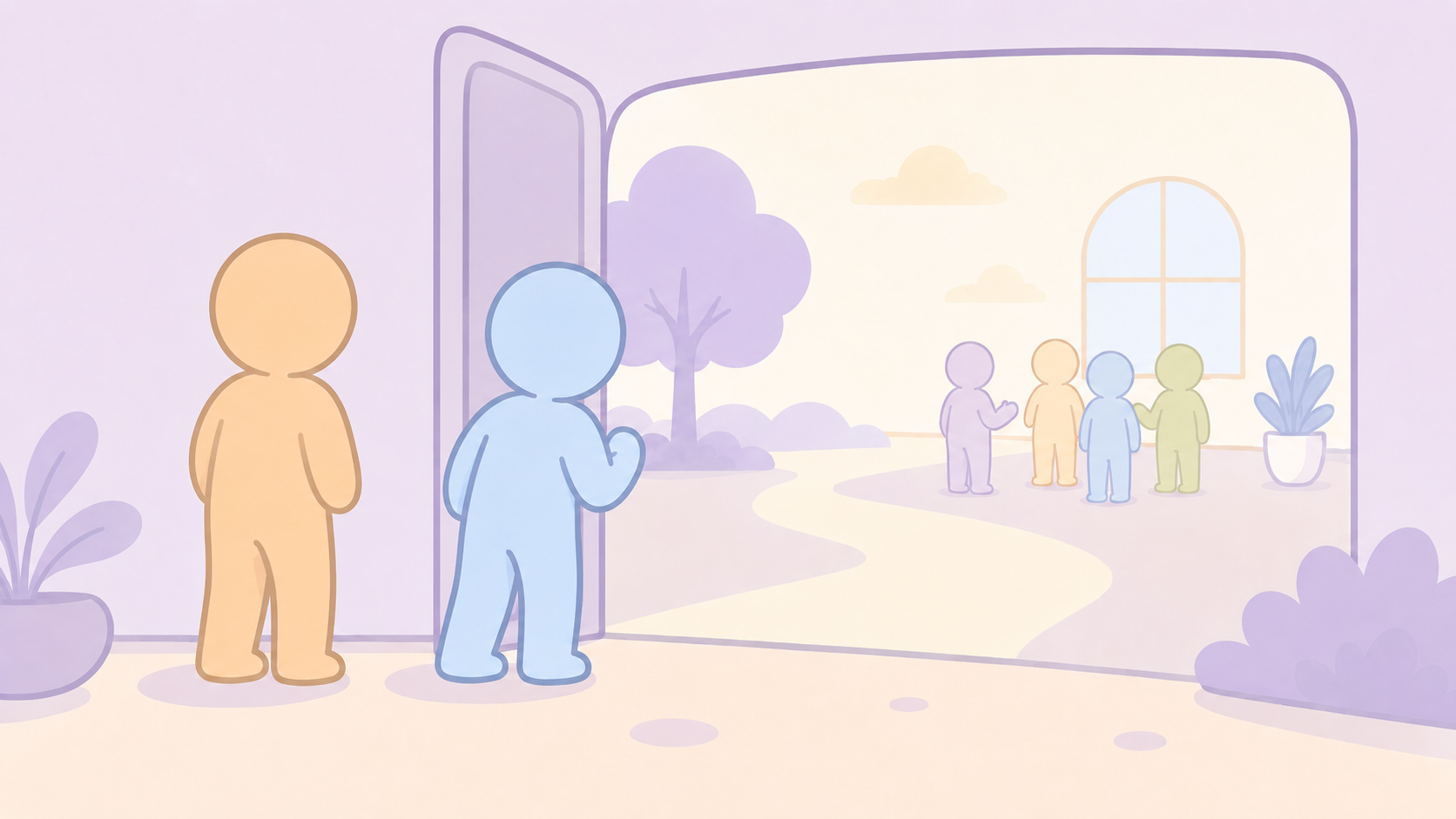
Two figures looking out an open door with a group of people talking on the other side in an outdoor setting

New environments are part of everyday life. A visit to a relative’s house. A community event. A new playground. A family trip. A different store. Even a place we’ve never been before can bring new sights, sounds, smells, and routines. For many autistic learners, navigating a new environment is significantly more than a change of … Read more

Understanding Disappointment in Autistic Children

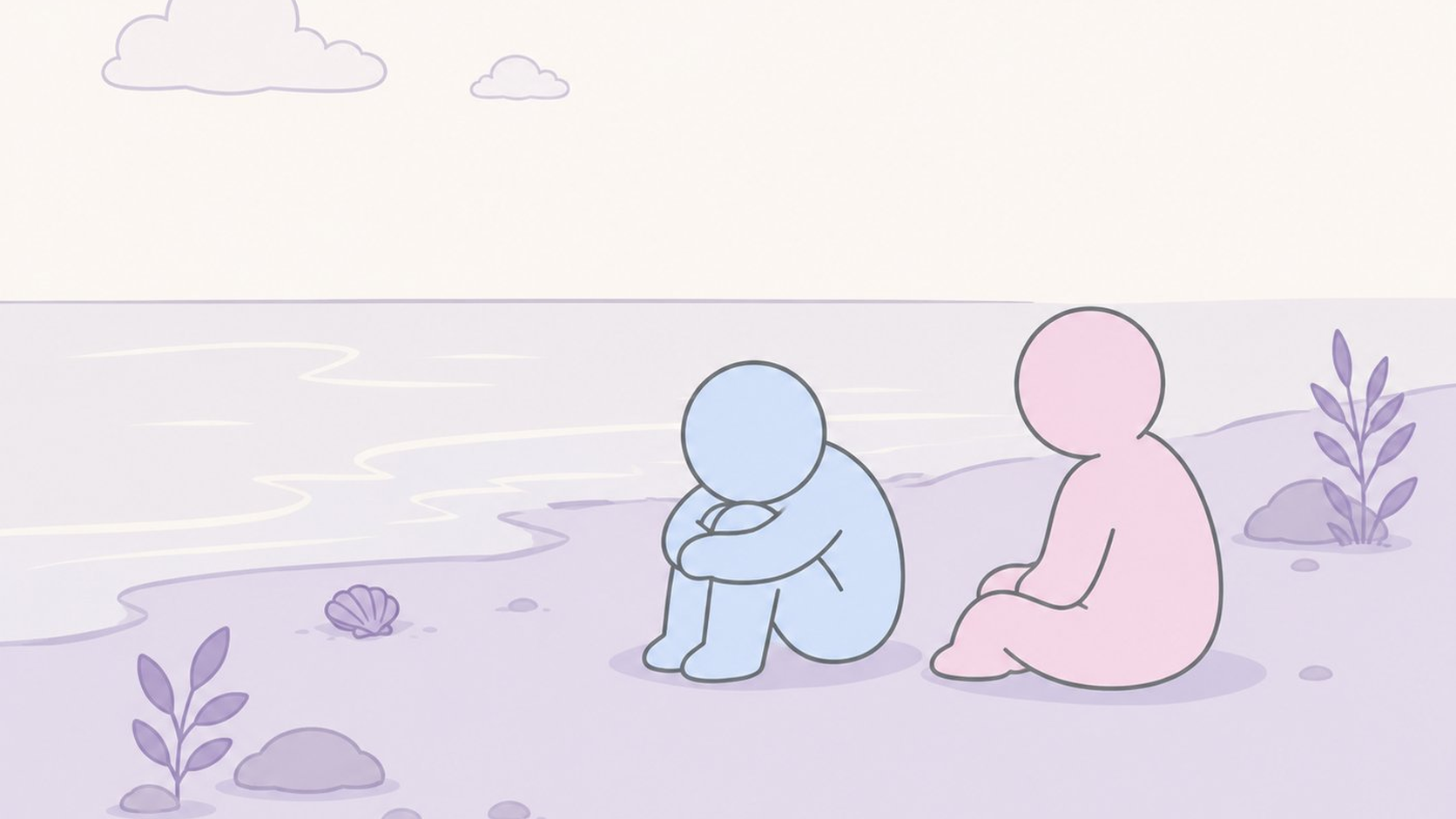
Two figures sitting on the beach. One is holding its knees and the other is quietly sitting beside

Sometimes disappointment doesn’t look sad. Sometimes it looks like: And sometimes the child looks just as surprised by the reaction as everyone else. The behavior is visible. What the body is carrying usually isn’t. Adults often see the outside of disappointment: the yelling, the refusal, the tears, the shutdown, the anger. But many neurodivergent children … Read more

What We Miss When Pooping Is Hard

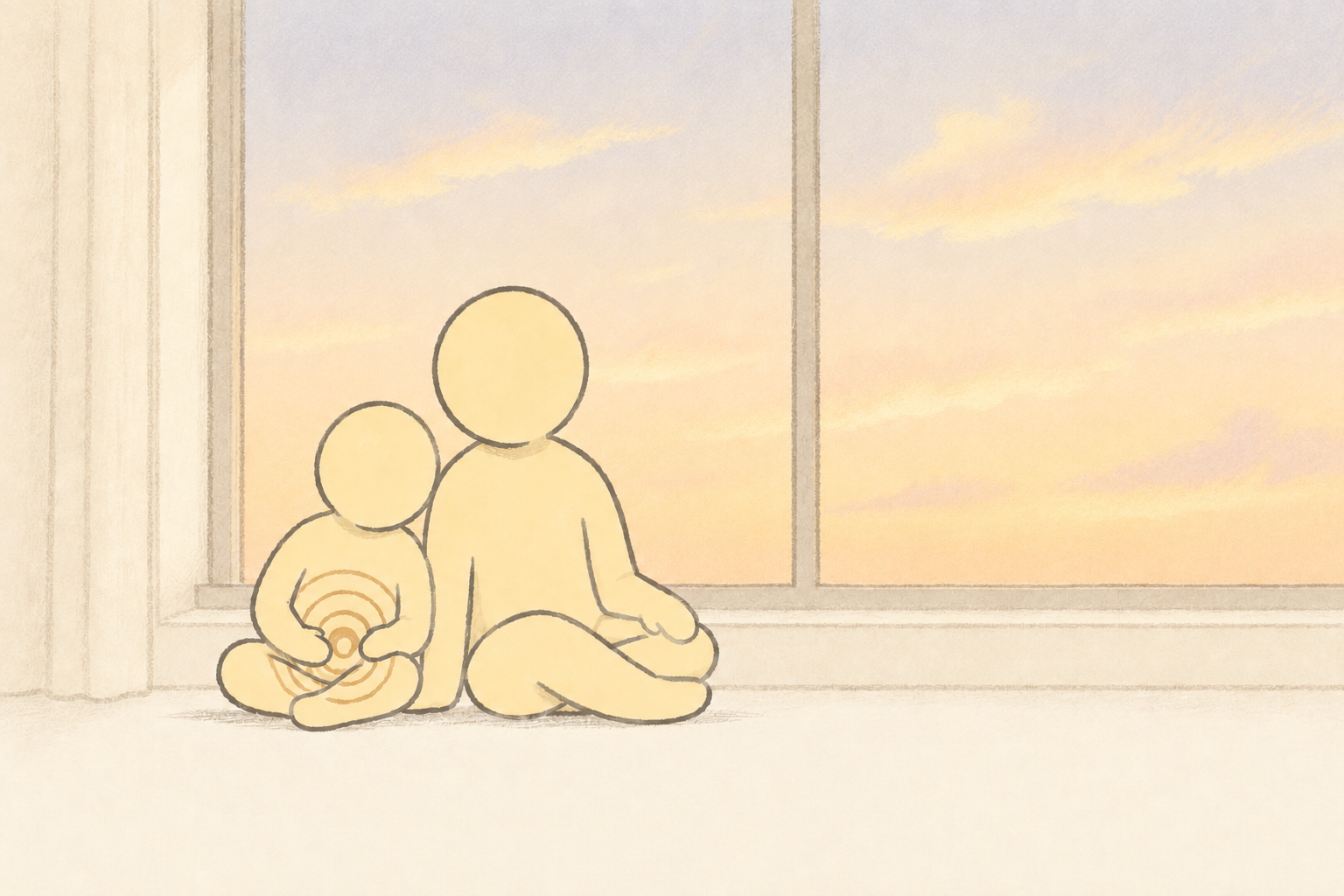
Hand-drawn illustration of an adult and child figure in pale yellow sitting side by side on the floor by a large sunlit window; soft concentric ripples emanate from the child's belly, suggesting body signals.

Why constipation in neurodivergent kids is so often misread — and what their bodies actually need Some of the most chronic, exhausting, quietly distressing experiences in a neurodivergent child’s life happen in the bathroom — or don’t happen there, and that’s the problem. Constipation, withholding, irregular patterns, sensory distress around toileting — these are everywhere … Read more

5 Ways to Support Body Awareness at Home

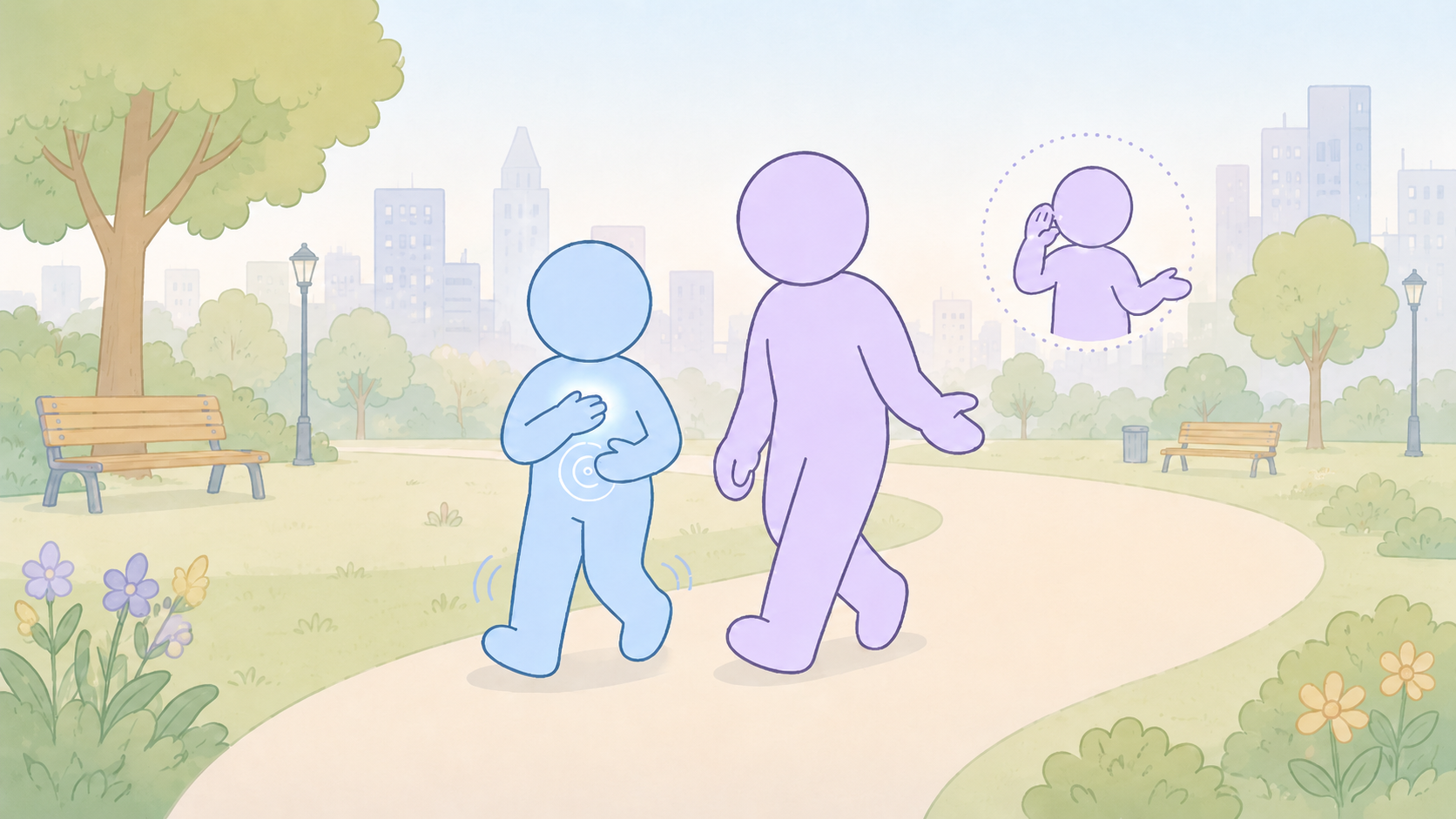
Two figures walking in the park - one with feelings signals and the other talking and listening

A Regulation-First Starter List for Families of Neurodivergent Kids When school ends, the structure that has been quietly holding a child’s day — the bell schedule, the predictable transitions, the sensory containers of the classroom — fades. For many autistic kids, that external scaffolding has been doing real work all year. It has been telling … Read more

What Looks Like Defiance Is Often a Nervous System That’s Run Out of Road

A person moving through demands, uncertainty and exclusion to then having a meltdown.

Strong energy states — the ones often labeled as outbursts, meltdowns, aggression, or “challenging behavior” — are rarely about the moment they happen in. They’re usually about everything that came before. For many neurodivergent learners, strong energy is the end of a long chain: By the time the strong energy appears on the outside, the … Read more

The Quietest Anxiety in the Room

A young child sits quietly on a sunlit window seat, knees drawn up, gazing out the window — calm on the outside, holding something inside.

What we miss when we mistake stillness for calm — and what neurodivergent learners need instead Some of the most anxious learners in our classrooms, therapy rooms, and homes don’t look anxious at all. They look composed. Quiet. Maybe even “good.” They turn in the worksheet. They nod when the teacher checks in. They sit … Read more