Catching Change: Why We Notice and Mark Change
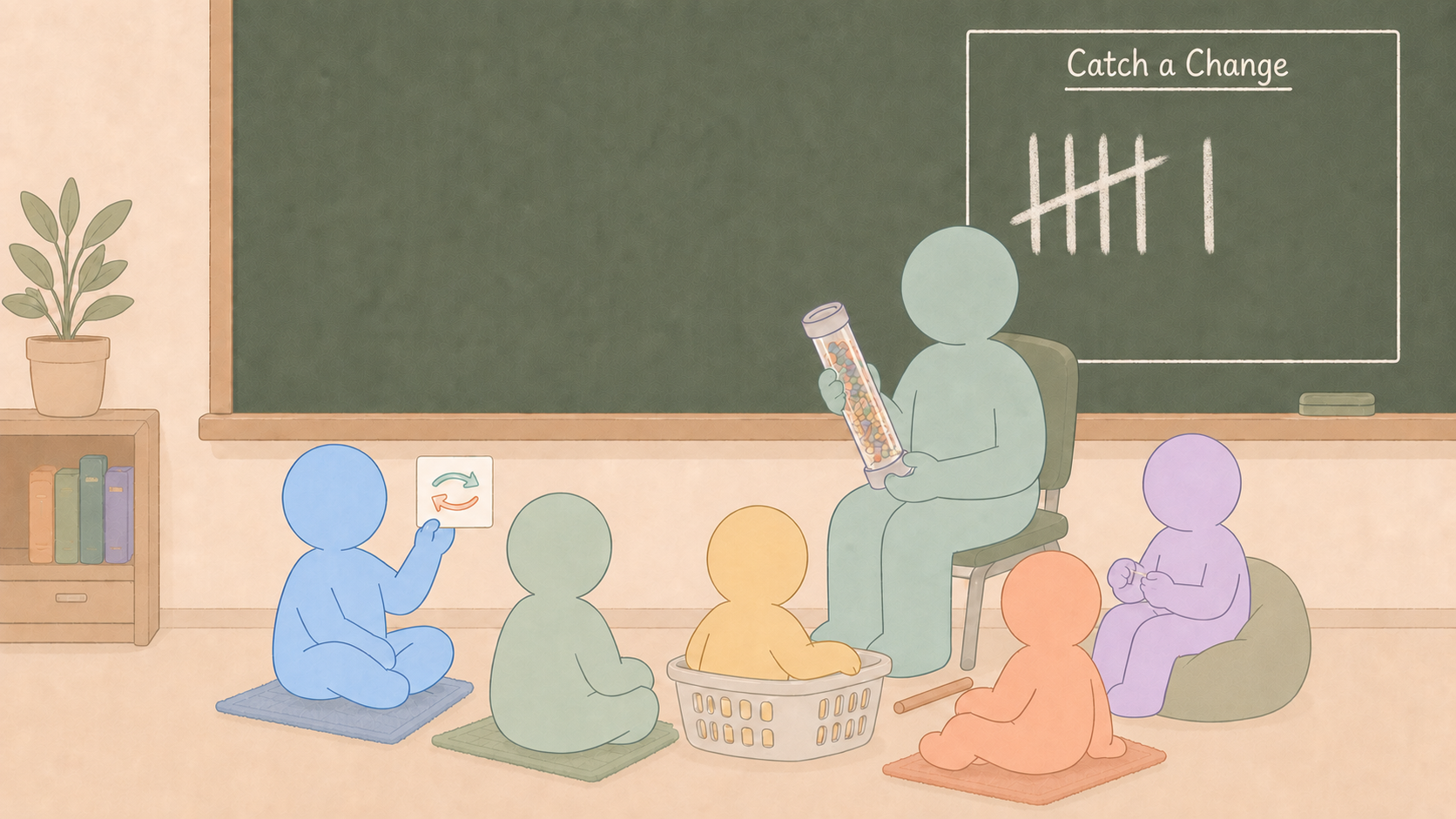
Illustrated classroom scene with children seated on carpet squares, a beanbag, and a laundry basket while an adult holds a rain stick beside a “Catch a Change” tally board. One child is holding a card with a change icon on it and another is signing change

When we talk about supporting autistic learners with change, we often focus on preparing them for what will happen next. Catching change starts somewhere slightly different. Years ago, I developed and ran a summer day camp for autistic campers, along with their siblings and friends. At the time, I did not have a word for … Read more

When the AAC Device Is Refused — and Ends Up in the Closet

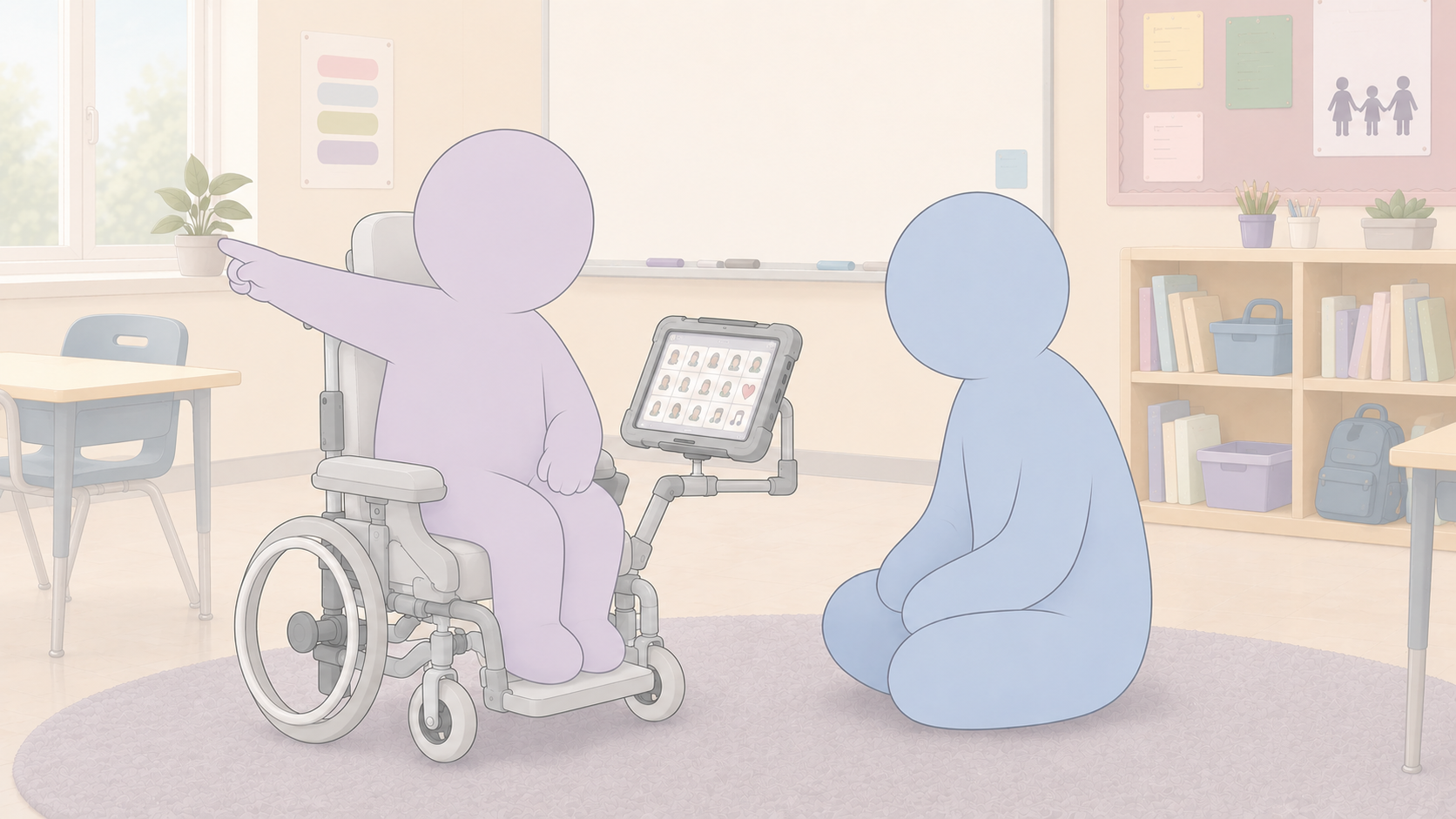
figure sitting in a wheelchair with an AAC device mounted but pointing away from the device. Another figure sitting nearby.

Over the years, I have heard parents, teachers, and therapists say: “We tried AAC, but she just threw it.”“I show him which picture to choose, but he pushes my hand away.”“He has the AAC device, but he says the same thing over and over and over.” These moments can be deeply discouraging. Families may have … Read more

What We Miss When Pooping Is Hard

Hand-drawn illustration of an adult and child figure in pale yellow sitting side by side on the floor by a large sunlit window; soft concentric ripples emanate from the child's belly, suggesting body signals.

Why constipation in neurodivergent kids is so often misread — and what their bodies actually need Some of the most chronic, exhausting, quietly distressing experiences in a neurodivergent child’s life happen in the bathroom — or don’t happen there, and that’s the problem. Constipation, withholding, irregular patterns, sensory distress around toileting — these are everywhere … Read more

The Quietest Anxiety in the Room

A young child sits quietly on a sunlit window seat, knees drawn up, gazing out the window — calm on the outside, holding something inside.

What we miss when we mistake stillness for calm — and what neurodivergent learners need instead Some of the most anxious learners in our classrooms, therapy rooms, and homes don’t look anxious at all. They look composed. Quiet. Maybe even “good.” They turn in the worksheet. They nod when the teacher checks in. They sit … Read more